Master the Top Generative AI Skills to Crack the Hiring Game in 2026
By now, most companies and business leaders understand that Generative AI is no longer a tech trend. Gradually, it has become a crucial professional capability to drive realistic business gains. Hence, it’s essential to bear in mind that a workforce with essential Generative AI skills can optimise their yields.
According to Gartner reports, almost 80% of companies will need to push their workforce to master essential Generative AI engineer skills by 2027. Hence, it's time for a career reset for everyone willing to retain their jobs beyond 2026.
If you’re a fresher, professional, or business leader, mastering Generative AI in 2026 has become an absolute need. For leaders and managers also they need to upskill their domain oriented leadership with GenAI. However, in such cases one should always look for specialized GenAI courses for managers and leaders.
This blog will discuss essential Generative AI skills that aspirants should master to lead a competitive future in 2026.
Essential Generative AI Skills to Learn and Boost Your Productivity
1. Prompt Engineering

The global prompt engineering market is expected to grow 33.27% by 2034, enabling firms to seamlessly interact with AI and LLMs. Hence, a course on Generative AI for beginners and professionals picks prompt engineering as a primary skill.
Prompt engineering is the process of providing refined instructions to AI systems to generate the required outputs. A prompt engineer prepares prompts according to the given scenario, tests the outputs, and makes crucial changes to generate better responses.
In short, production levels now rely on the prompt quality. As AI automation integrates with workflows, high-quality prompts can drive profits.
Benefits of mastering prompt engineering are –
• Enhancing AI output quality
• Assisting AI-powered decisions
• Allows business automation with higher yields
• Improved productivity across teams
Then, who should learn this GenAI skill?
• Freshers (Anyone from IT, non-IT, marketing, or analyst domains)
• Working professionals (Managers, analysts, BI experts, senior developers, etc.)
• Career-switchers (From non-tech, business analysts, or similar roles to AI)
2. Retrieval Augmented Generation (RAG)
.webp)
Generative AI in 2026 will drive a drastic digital shift across many businesses. Hence, mastering crucial skills has become an urgency for many aspirants. RAG is another GenAI skill that you should consider to optimize your work efficiency.
Indeed, RAG is widely used to enhance the capabilities of large language models (LLMs) to generate useful responses. Owing to its relevance, the RAG market is expected to grow by 38.4% by 2030, empowering users to achieve more accurate outputs.
Experts can seamlessly work with generative AI platforms to generate accurate responses tailored to the given situation using RAG skills.
Benefits of developing RAG skills are –
• Limiting AI bias and hallucinations
• Empowering AI assistants for better responses
• Enhancing knowledge-based systems
Then, who is eligible to learn RAG skills?
• Data science freshers
• IT developers
• IT experts switching their roles to AI
• Data or ML engineers
• Backend developers
3. Customisation and Fine-tuning of LLMs
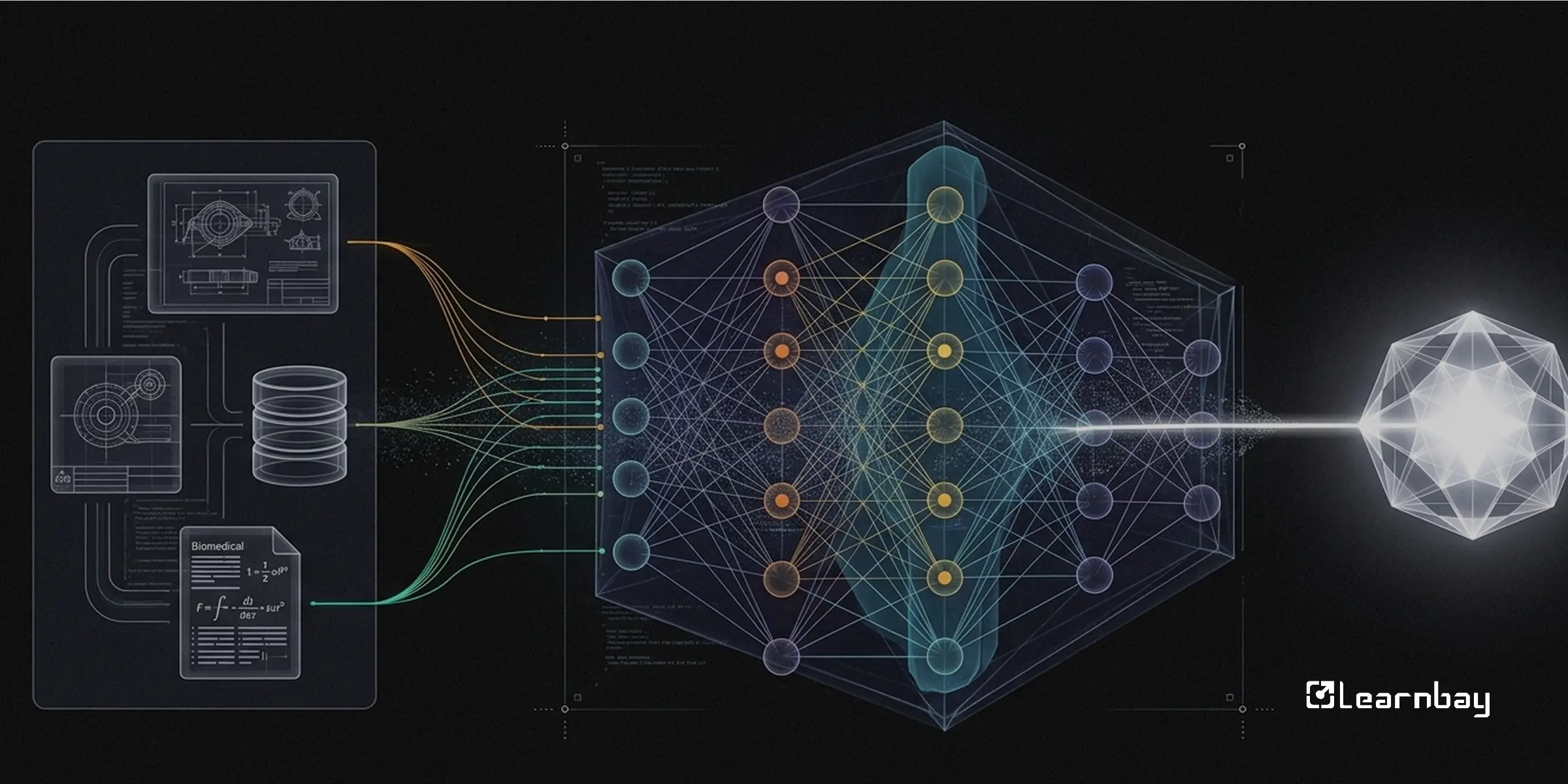
Today’s GenAI-focused world inspires firms to operate with LLMs. Now, the query is not about ‘what is generative AI’. Instead, it expands to crucial customisation.
Fine-tuning of LLMs is the process of additional training a pre-trained model using existing knowledge. Fine-tuning and customization work together, as the former step allows pre-trained models to tailor their responses according to the changing situations.
In short, experts with such generative AI engineer skills can tailor LLMs to meet the changing business goals. You can master various fine-tuning methods to optimize your results.
Perks of building such skills are –
• Improving model performance
• Enterprise AI becomes more popular and relevant
• Industry-specific LLM applications
So, who should master these skills?
• AI developers
• AI/ML/Data aspirants
• AI/ML engineers
• IT engineers or analysts switching to GenAI
4. Agentic AI and AI Agents
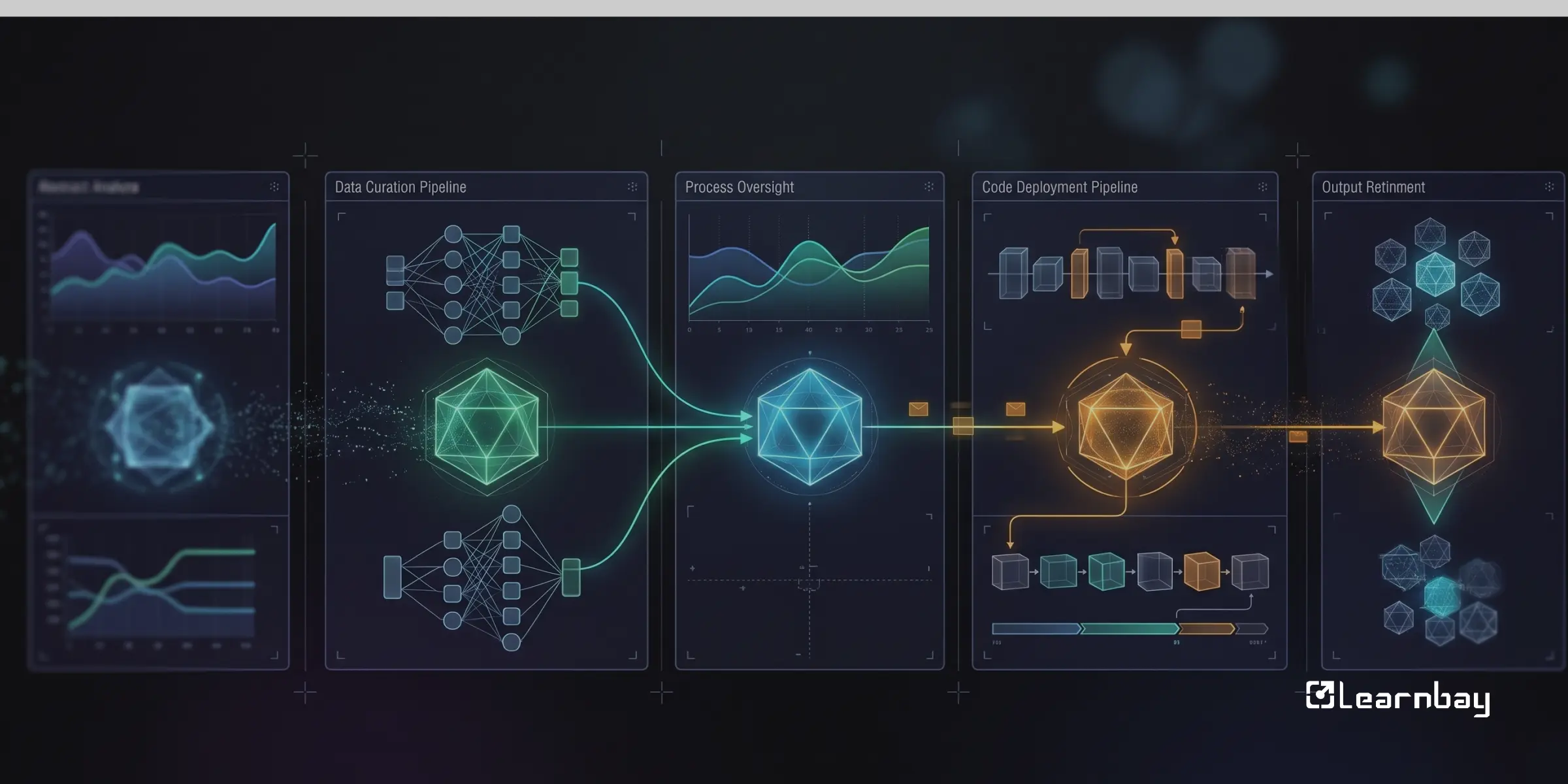
Generative AI and agentic AI are becoming popular for their reliable results. While GenAI delivers reactive outputs, agentic AI helps experts to take proactive steps.
Our shift toward intelligent agents has increased the demand for AI agents and Agentic AI in 2026. The agentic AI market predicts a 44.6% increase by 2032, and similarly, the global AI agents market is expected to grow by 49.6% by 2033.
Hence, they have become crucial generative AI skills in 2026 for everyone. These autonomous, agentic AI models adapt to industry shifts and revamp core functions for better results. Deploying AI agents has become cost-effective for many firms to deliver timely and accurate offerings. But there is a setback.
Without human expertise, these autonomous agents may fail to meet actual business needs in the long run. However, experts can build such AI skills via a Generative AI course with certificate and projects.
The benefits of such AI skills are –
• Workflow automation
• Intelligent assistants across various generative AI platforms
• Enhanced productivity
So, who should focus on mastering AI agents and agentic AI?
• AI aspirants
• Developers willing to switch into AI roles
• Automation engineers
• Product engineers
• Tech experts exploring automation
5. LLMOps and GenAI Deployments
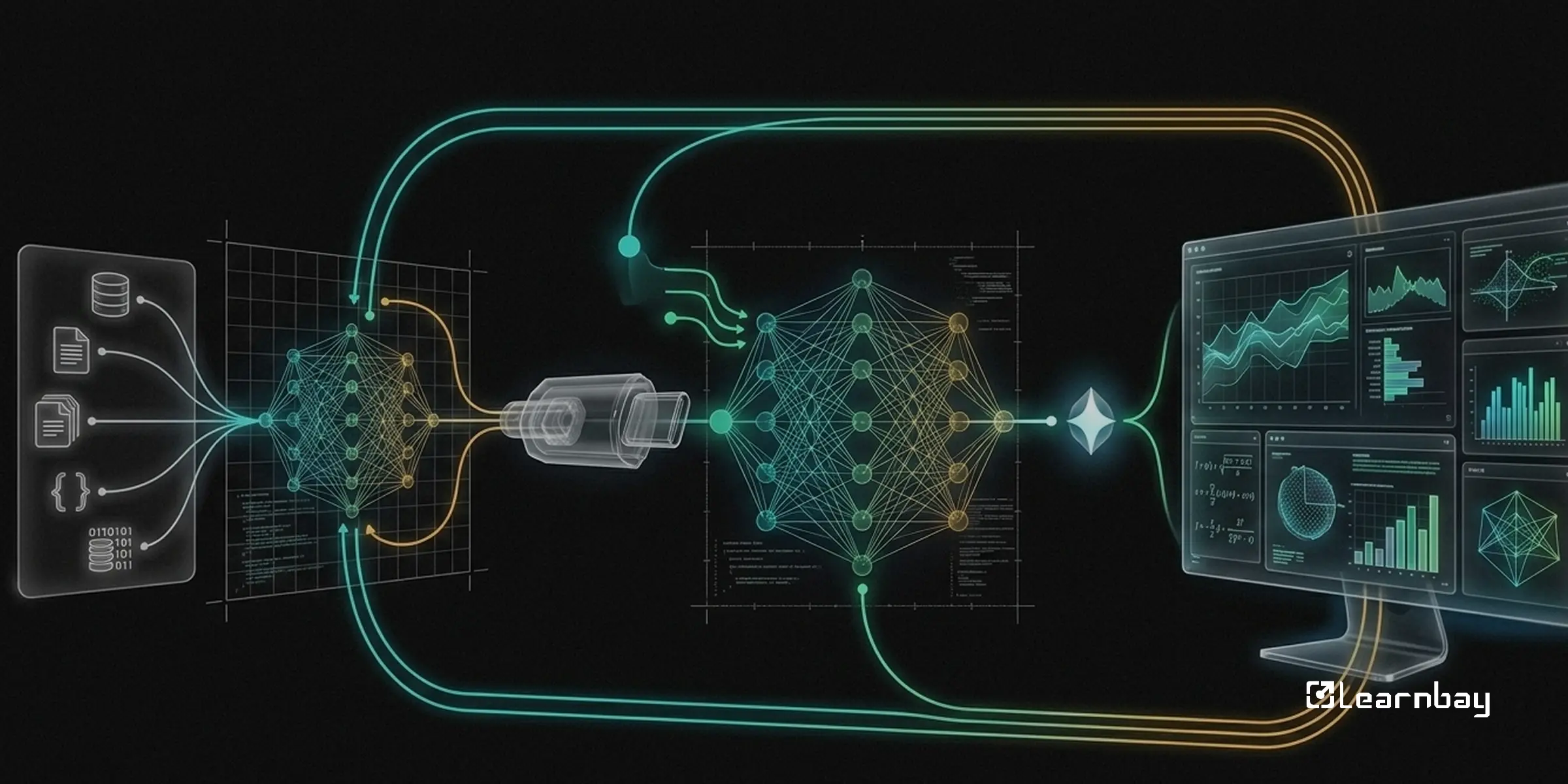
While many firms are experimenting with LLMs, a few have implemented them in real-time. LLMs, in unison with MLOps, work toward having scalable deployment of GenAI models.
LLMOps has become one of the most sought-after Generative AI engineering skills, revamping classic MLOps with scalable results. Experts with these skills can address GenAI deployment issues related to data setup, security, compliance, and cost control.
Popular courses in Generative AI for beginners and professionals can help you acquire such skills and ease your GenAI deployment functions.
Perks of LLMOps and GenAI deployment skills –
• Deploying scalable AI models on various generative AI platforms
• End-to-end AI lifecycle management
• Regular inspection of the AI models
So, who should majorly focus on mastering LLMOps?
• Freshers in any domain
• IT developers
• Cloud computing aspirants/engineers
• AI/ML engineers
• Infrastructure specialists
6. Multimodal AI

In 2026, Multimodal AI will be the next big tech creation, boosting business gains, particularly by enhancing the customer experience. Also, a 36.92% growth is expected in the global multimodal AI market, bringing notable changes for the Generative AI platforms.
Salesforce's industry analysis also notes the growing reliance on GenAI models across various operations. Multimodal AI in 2026 enables vast AI systems to decode diverse media inputs (text, audio, video, and image) and deliver scalable results. Generative AI in 2026: experts advise mastering this skill to deliver reliable results.
Unlike age-old systems, multimodal AI uses neural networks and deep learning to improve GenAI-rich results. A ,Generative AI course with certificate and real-time learning setups can help you learn this skill and enhance your results.
Benefits of developing such generative AI skills are –
• Content automation
• Enhancing customer service
• 100% real-time responses
• Fair and scalable results
• Seamless human-AI interactions
Then, who should take the step to master multimodal AI?
• Media experts eager to learn AI
• Computer vision students or learners
• Data science experts
• AI/ML developers
• Designers
• Product engineers
7. Responsible AI
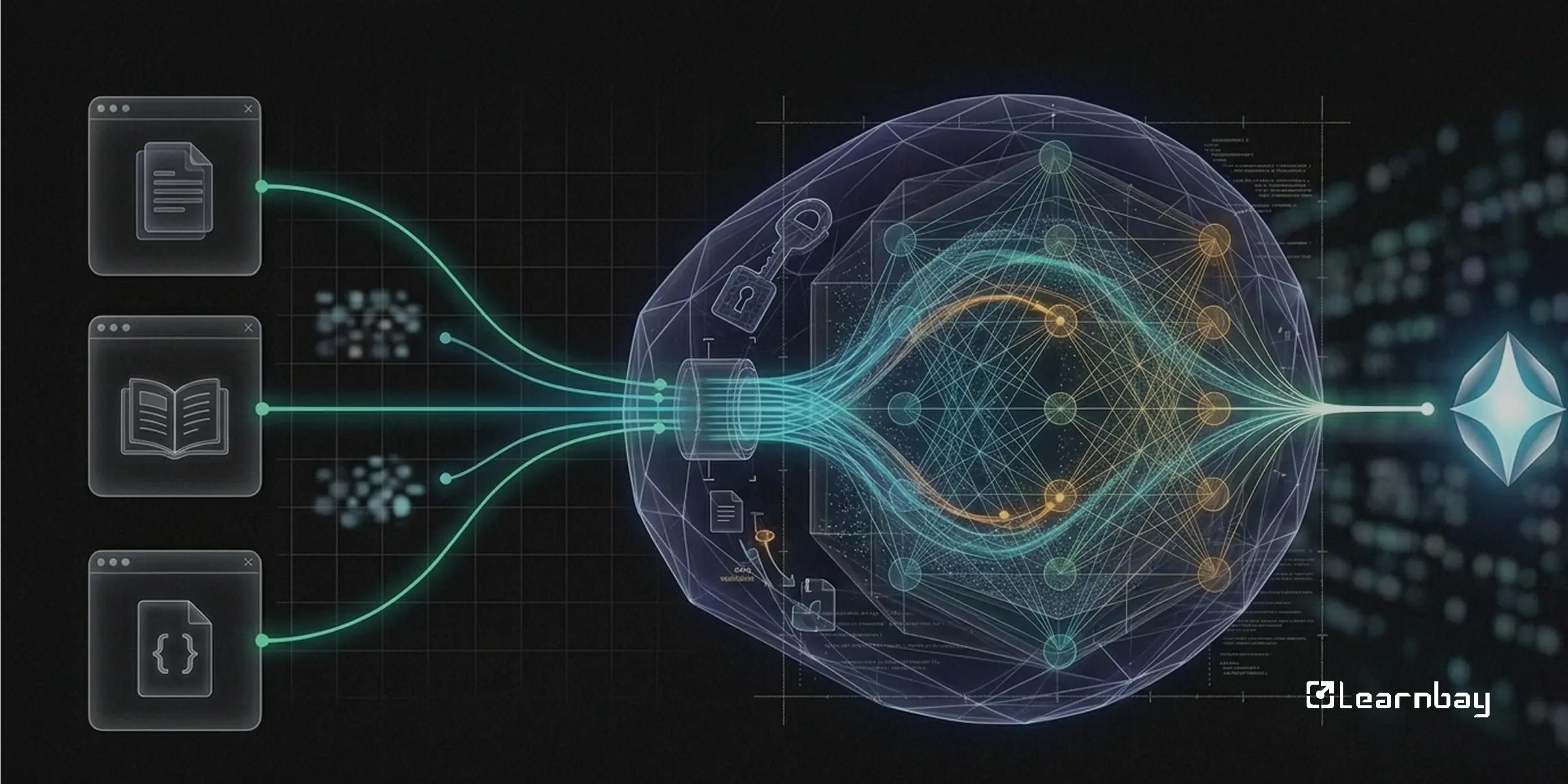
As the name suggests, anyone eager to build a rewarding AI career should focus on gaining ethical and responsible traits first. Now, firms focus on ethical and responsible AI practices to manage hidden risks.
Different types of Generative AI skills help experts optimise their yields. Yet, having an ethical approach toward AI usage hits different. Automation, LLMs, generative AI and agentic AI enhance overall yields, but when used in a responsible manner.
A Generative AI course with certificate can help you develop an ethical mindset and drive sustainable results.
Perks of having a responsible AI skill are –
• Ensuring data security and safety
• Strict regulation of compliance
• Building trust
• Enhancing model reliability and transparency
• Limiting forged data
So, who should focus on developing such a skill?
Anyone eager to build a tempting career in AI should master responsible AI practices.
What’s More?
Apart from these technical Generative AI skills, learners should evenly focus on some non-technical competencies. They are –
• Emotional intelligence
• Empathy
• Communication
• Problem-solving
• Analytical approach
• Ethical judgment
• Creativity
No wonder Generative AI in 2026 inspires everyone to master the vital skills and build competitive careers.
In Closing…
Mastering Generative AI skills has become vital for anyone eager to redefine their careers. Various examples of Generative AI use cases will help you understand its dominance across industries. Hence, upskilling is required to future-proof your skills in 2026.
An industry-aligned program on Generative AI for beginners and experts is worth investing in. If you’re serious about your career growth, consistent learning of such skills can help you land an ideal role.
Join a proven Generative AI course with certificate and placements today to accelerate your career.
FAQs:
Why are AI skills important?
Ans. AI skills are crucial to future-proof your ability to handle real-world matters. Experts from diverse fields should develop crucial AI skills to automate their tasks, enhance yields, and make better decisions.
What is the difference between Agentic AI and Generative AI?
Ans. GenAI is a reactive tool that enables experts to generate diverse content (text, images, audio, and video) in response to given prompts. On the other hand, agentic AI proactively automates workflows and delivers scalable results in real time. Yet, mastering both Generative AI and Agentic AI is helpful for you.
How is GenAI used in the workplace in 2026?
Ans. GenAI is widely used in today’s modern workplaces, such as –
• Marketing content creation
• Enhancing communication
• Automating customer support
• Coding and development
• Data analysis and visual reporting
• Designing
• Product development